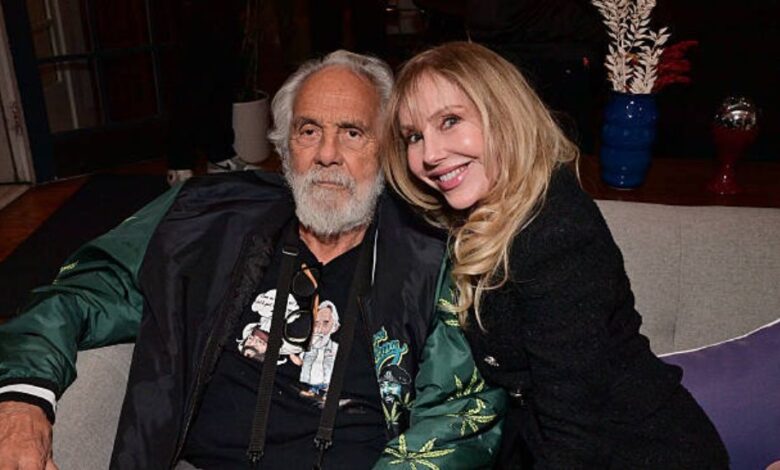
When people hear the name Chong, the first thought that often comes to mind is Tommy Chong, the legendary comedian, actor, and cannabis culture icon who became world-famous as one half of Cheech & Chong. But behind his decades of success, there is another star whose influence is just as remarkable—Shelby Chong. Actress, comedian, producer, and longtime wife of Tommy, Shelby has carved out her own path while standing alongside her husband as his partner in life and comedy.
This article takes a deep dive into who Shelby Chong is, her career highlights, her relationship with Tommy Chong, her family life, and her contributions to entertainment.
Who Is Shelby Chong?
Shelby Chong is an American comedian, actress, and film producer. She was born on February 1, 1948, in Los Angeles, California, making her a proud Californian with roots deeply tied to Hollywood. While she is best known publicly as the wife and collaborator of Tommy Chong, Shelby has an impressive résumé of her own.
She started her career in the entertainment industry as a comedian, honing her craft in stand-up clubs before transitioning into acting and film production. Shelby quickly became part of the Cheech & Chong legacy, contributing both on-screen and behind the scenes.
In the comedy world, Shelby is admired for her witty, observational humor and her ability to connect with audiences. She has also been Tommy’s opening act for many years, often warming up crowds with her sharp and playful comedic style.
Shelby Chong’s Age
Born in 1948, Shelby Chong is now 77 years old. Despite her age, she remains active in the entertainment industry and continues to perform. Her vibrant stage presence and energetic personality defy her years, proving that comedy truly keeps the spirit young.
Shelby Chong’s Net Worth
Shelby Chong’s financial success reflects her long-standing career in entertainment. Sources online estimate her net worth to be anywhere between $4 million and $20 million. These figures vary depending on the outlet, but what’s clear is that Shelby has built a stable fortune through her acting, stand-up tours, and film production roles.
While her husband Tommy Chong’s net worth is often reported at around $20 million, Shelby’s independent contributions to comedy and film production demonstrate that she has her own financial achievements. Her work as an executive and associate producer on Cheech & Chong films played a key role in the financial success of the franchise.
Shelby Chong’s Movies and Career in Film
Shelby Chong has been part of several films throughout her career, both as an actress and producer. Her acting credits include:
- Cheech & Chong’s Next Movie (1980) – Small role alongside Tommy and Cheech Marin.
- Nice Dreams (1981) – Played part of the ensemble cast; also associate producer.
- Things Are Tough All Over (1982) – Actress and associate producer.
- Cheech & Chong’s The Corsican Brothers (1984) – Actress and associate producer.
- Still Smokin’ (1983) – Associate producer.
- Far Out Man (1990) – Supporting role in Tommy Chong’s comedy film.
- Sandman (1993) – One of her later film appearances.
As a producer, Shelby’s fingerprints are all over the Cheech & Chong universe. Her involvement behind the camera gave her control over creative direction, budgeting, and production decisions—responsibilities that helped shape the films into cult classics.
In more recent years, Shelby has focused more on live comedy performances, appearing regularly with Tommy and Cheech during tours.
Shelby Chong and Tommy Chong: A Lasting Partnership
One of the most celebrated aspects of Shelby’s life is her marriage to Tommy Chong. The couple tied the knot in 1975, and their relationship has remained strong for nearly five decades—an impressive feat in Hollywood, where marriages often collapse under pressure.
Tommy often refers to Shelby as not just his wife, but also his creative partner and biggest supporter. Over the years, Shelby has joined Tommy on stage, often serving as his opening act during comedy tours, making audiences laugh before he takes the spotlight.
Their marriage is widely admired for its longevity, love, and teamwork. Together, they’ve raised a family, worked on numerous projects, and stood by each other through both career highs and personal challenges.
Shelby Chong’s Family and Kids
Shelby Chong and Tommy Chong share four children together:
- Gilbran Chong – Actor, known for roles in Dragon: The Bruce Lee Story and Highway to Heaven.
- Paris Chong – Actor, director, and writer.
- Precious Chong – Actress and comedian with credits in Pearl Harbor and various TV shows.
- Marcus Chong – Adopted son, actor best known for his role as Tank in The Matrix (1999).
In addition, Shelby is the stepmother to Tommy’s daughters from his first marriage: Rae Dawn Chong, a successful actress known for roles in Commando and The Color Purple, and Robbi Chong, who is also an actress.
Shelby’s role as both a mother and stepmother shows her nurturing side, balancing her career in entertainment with her dedication to her children.
Shelby Chong’s Influence on Comedy and Cannabis Culture
While Tommy Chong is often the face of cannabis culture, Shelby has also been a quiet but influential supporter of the movement. By standing by her husband through his advocacy for marijuana legalization and even his legal troubles, Shelby has been part of the larger cultural conversation surrounding cannabis.
In comedy, her role as a woman in a male-dominated industry deserves recognition. She has paved the way for women comedians by showing that female voices in stand-up are just as powerful, witty, and entertaining.
Shelby Chong Today
Today, Shelby continues to perform and make appearances alongside Tommy Chong. The couple frequently joins Cheech & Chong reunion tours, delighting fans who have followed their careers since the 1970s. Shelby is not just a supporting figure; she is a performer in her own right, bringing laughter to audiences around the world.
Conclusion
Shelby Chong is far more than “Tommy Chong’s wife.” She is a talented comedian, actress, producer, and mother who has left her mark on comedy and film. From her early acting days to her ongoing role as Tommy’s stage partner, Shelby has proven that her legacy is intertwined with—but not overshadowed by—her husband’s fame.
As she continues to perform well into her seventies, Shelby stands as proof that passion and humor can keep a person young at heart. Her life story is a testament to love, creativity, and resilience—qualities that define not just her career but her family life as well.
For more celebrity insights and entertainment updates, keep following newslyblogs.