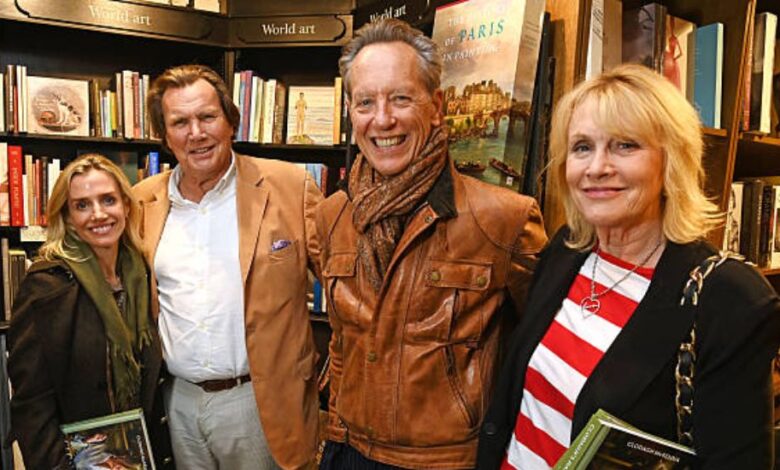
In the world of luxury jewellery, very few names shine with the same unmistakable brilliance as Theo Fennell. Known for his imaginative craftsmanship, bold artistic impulses, and a career that spans several decades, Theo Fennell has carved out a place as one of Britain’s most iconic jewellery designers. His work is a blend of fantasy, exquisite detail, and meticulous craftsmanship, appealing to everyone from celebrities to collectors worldwide. But beyond the glimmer of gemstones and handcrafted masterpieces lies the story of a man whose life has been just as intriguing as his art.
This detailed article explores all the essential aspects that people frequently search for, including:
Who is Theo Fennell? His age, net worth, relations, father, family background, siblings (“bro and sis”), his connection to Emerald Fennell, who he is married to, and his children.
This comprehensive breakdown gives readers not just the facts but also the deeper human story behind one of the most extraordinary artistic forces in modern jewellery.
Who Is Theo Fennell?
Theo Fennell (full name Alister Theodore Fennell) is a renowned English jeweller celebrated for his highly imaginative, bespoke luxury designs. His pieces often merge storytelling with extraordinary craftsmanship—ranging from miniature sculptures and quirky lockets to dramatic, statement fine jewellery pieces. Many of his creations are instantly recognizable due to their originality and theatrical flair.
Born in 1951, Theo grew up travelling due to his father’s military postings. This early exposure to multiple cultures became a powerful wellspring of inspiration that shows up in the eclectic themes of his work. Rather than adopting the minimalist trends seen in many modern jewellery houses, Fennell developed a reputation for bold, intricate, narrative-driven pieces—making him a unique figure in the jewellery world.
His design philosophy centers on the belief that jewellery should be deeply personal and meaningful rather than merely decorative or status-driven. This approach has earned him respect across the industry, and his London studio has long been regarded as a hub for artisan-level craftsmanship.
Theo Fennell’s Early Life and Education
Theo Fennell was born on August 8, 1951, in Moascar, Egypt, where his father was stationed with the British Army. The constant movement of military life meant Theo spent much of his childhood relocating, an experience that introduced him to varied environments and cultures.
He later returned to England, attending the prestigious Eton College. Fennell has often described his school years as formative but challenging—something he explored in detail in his memoir I Fear for This Boy.
After Eton, Theo embraced his artistic inclinations. He trained at:
- York College of Art
- Byam Shaw School of Art (London)
- Apprenticed at Edward Barnard & Sons, a traditional silversmiths’ firm in Hatton Garden
This educational path grounded him in technical skill while nurturing his imagination—a balance that would later define his career.
Theo Fennell’s Career: From Humble Beginnings to Jewellery Royalty
Theo launched his own workshop and studio in the early 1980s. In 1982, he opened the flagship Fulham Road store in Chelsea, London—an area known for creativity, wealth, and fashion. His rising prominence earned him both critical acclaim and celebrity patronage.
His designs are known for:
- Handcrafted, artisan-level detail
- Imaginative storytelling
- Humour and boldness
- Gothic, mythical, and whimsical themes
- Miniature sculptures—tiny doors, secret compartments, lockets, and intricate settings
Over the years, his work has been worn by musicians, actors, and influential figures. But Fennell never positioned himself as a mainstream luxury brand—he remained committed to artistry over mass production.
Despite business ups and downs—including buying back his company at one stage—he maintained an unwavering devotion to creative integrity.
His memoir and interviews reveal that he never sought immense wealth; instead, he built a career pursuing craftsmanship and originality.
Theo Fennell Age
Born in 1951, Theo Fennell is 74 years old as of 2025.
His long-standing presence in the jewellery world—over four decades—illustrates the durability of both his vision and his influence.
Theo Fennell Net Worth
Exact, official numbers regarding Theo Fennell’s net worth are not publicly confirmed. However, several reputable industry sources and financial commentary blogs estimate his net worth within a multi-million-pound range.
Common estimates include:
- Around £5 million+ (often cited by jewellery industry blogs)
- Approximately $10–15 million USD according to various financial estimate websites
It’s important to note that Fennell has always described himself as more of an artist than a businessman. He has acknowledged earlier periods in life where money was tight, especially while building his brand.
Still, given the luxury nature of his work, the value of his brand, and decades of premium craftsmanship, it is clear that Theo Fennell today is a financially successful figure in the world of fine jewellery—though he prioritizes passion over profit.
Theo Fennell Family Background
Theo Fennell was born into a British Army family, a fact that shaped much of his early life. His father’s service required frequent relocations abroad, something that deeply influenced Theo’s worldview and artistic imagination.
Theo Fennell’s Father
Public sources describe Theo’s father as a British Army officer who passed away when Theo was 26 years old. His father’s disciplined lifestyle contrasted with Theo’s free-spirited creative nature, a dynamic Theo later discussed in interviews and in his memoir.
Though his father’s name isn’t widely publicized, what is known is that:
- His father was strict, structured, and often distant due to military life.
- His death had a significant emotional impact on Theo.
- Their relationship influenced Theo’s thoughts on fatherhood, discipline, and creativity.
Theo Fennell’s Mother
Information about his mother is limited, though she is referenced as part of a family supportive of education and structure.
Theo Fennell Siblings – “Bro and Sis”
Public records and interviews do not mention any confirmed brothers or sisters.
Theo appears to be an only child or someone who has kept sibling information entirely private.
If siblings exist, they are not publicly documented in online interviews, press coverage, or his personal memoir. This is important to note because some keyword searches (“bro and iss”) imply curiosity about siblings; however, the official public record contains no such details.
Theo Fennell’s Marriage – Who Is He Married To?
Theo Fennell is married to Louise Fennell (née MacGregor), an author and novelist with a distinct creative flair of her own. She has written comedic fiction and is known for her charismatic personality, elegance, and strong creative lineage.
Louise has supported Theo throughout the highs and lows of his artistic and business life. Together, they represent one of those creative partnerships where both individuals have their own artistic identities but share a deeply connected vision.
The couple has often spoken about the financial struggles early in their marriage before Theo’s brand grew into the luxury powerhouse it is today.
Theo Fennell and His Children (Kids)
Theo and Louise Fennell have two daughters, both of whom became successful creatives—perhaps proof that artistry runs strongly in their family.
1. Emerald Fennell
Emerald Fennell is the most publicly recognized member of the Fennell family after Theo himself. She is a:
- Actress
- Screenwriter
- Director
- Producer
Her rise to global fame came through:
- Her role as Camilla Parker Bowles in The Crown
- Writing and directing the award-winning film Promising Young Woman, which earned her an Oscar
- Directing the hit psychological drama Saltburn
Emerald is known for her sharp writing, dark humour, and bold directorial choices—qualities she perhaps inherited from the imaginative genius of her father.
2. Coco Fennell
Coco Fennell is a fashion designer known for:
- Distinctive, playful, vintage-inspired clothing
- Designing custom dresses worn by celebrities
- Running her own independent fashion brand
Coco’s style reflects a quirky, expressive sensibility—again mirroring the artistic individuality evident in her father’s work.
Theo Fennell and Emerald Fennell – A Creative Father-Daughter Bond
Theo and Emerald share a particularly close creative connection. Theo has spoken with pride about both daughters, but Emerald’s fame has brought new attention to the family.
Emerald has publicly acknowledged that:
- Growing up surrounded by creativity shaped her artistic imagination.
- Her father’s workshop and artistic environment taught her how to dream boldly.
- Elements of theatricality in her films come from the same imaginative well that fuels Theo’s designs.
Their relationship has been warmly described in interviews, contributing to the image of Theo not just as a master jeweller but as a loving, inspiring father.
Theo Fennell’s Legacy
Theo Fennell’s influence extends far beyond the physical pieces he has created. His legacy includes:
- Elevating jewellery into a form of storytelling
- Championing handcrafted artisan work in a mass-produced world
- Mentoring and supporting younger craftsmen
- Inspiring two powerful creative daughters
- Writing a memoir that reveals his humanity, humour, and struggles
Few designers manage to leave behind a legacy that is both deeply personal and widely admired. Theo Fennell continues to stand as a testament to the power of imagination and artistry.
Final Thoughts
From his beginnings as a young artist moving between continents to becoming one of the most distinctive jewellers Britain has ever produced, Theo Fennell’s journey is as rich as the pieces he creates. His family life, creative influence, and lifelong dedication to artistry form a story that resonates far beyond the world of jewellery.
For more in-depth, creative, and celebrity-focused profiles like this, visit newslyblogs—your home for detailed insights and compelling stories.